
 Software
 Manuals
 Technical Specifications
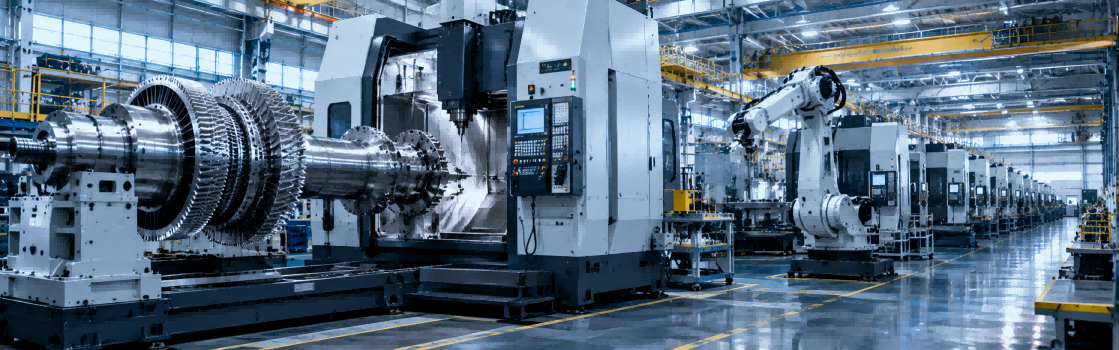 High-End Equipment Manufacturing
 Aerospace
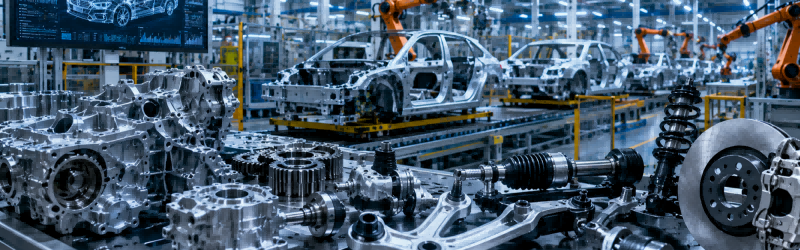 Automotive Parts
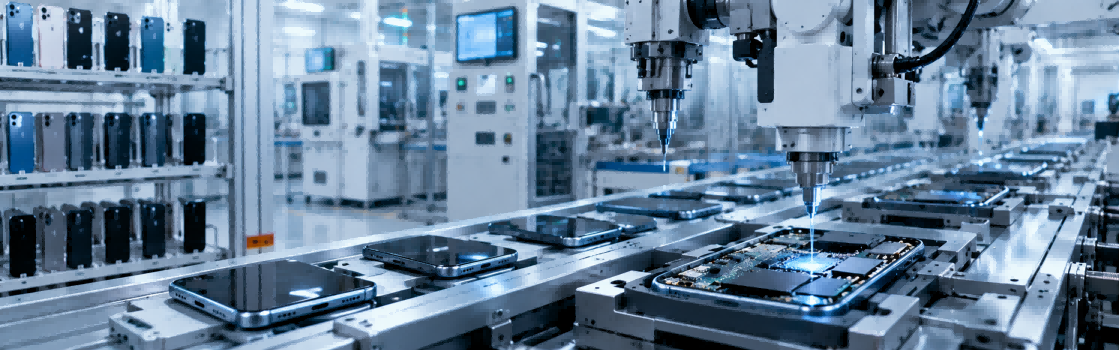 3C Electronics
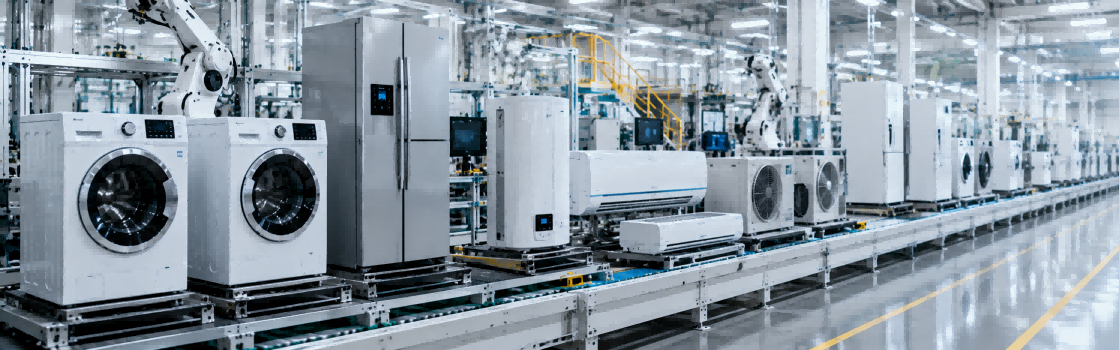 Home Appliance Manufacturing
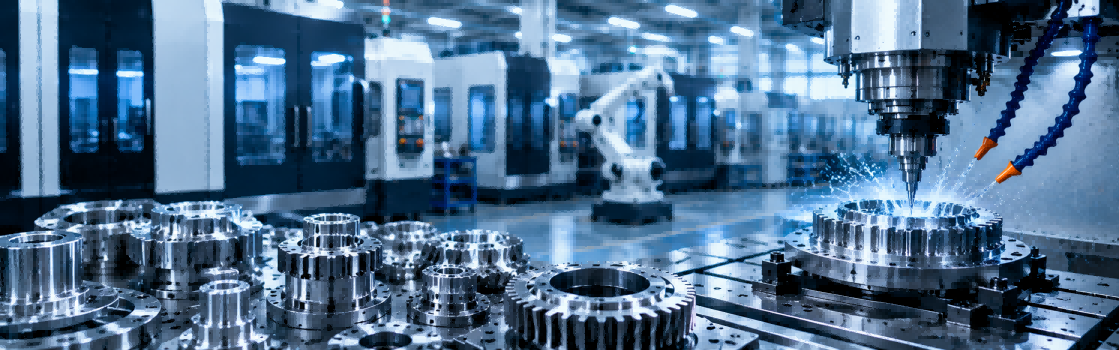 Precision Manufacturing
 Hospitals / Medical
 Green Energy
 Universities / Research Institutes
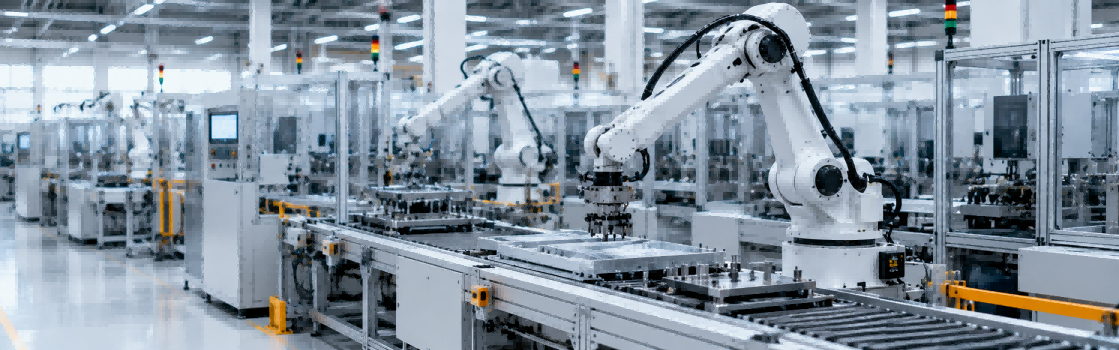 Automation Equipment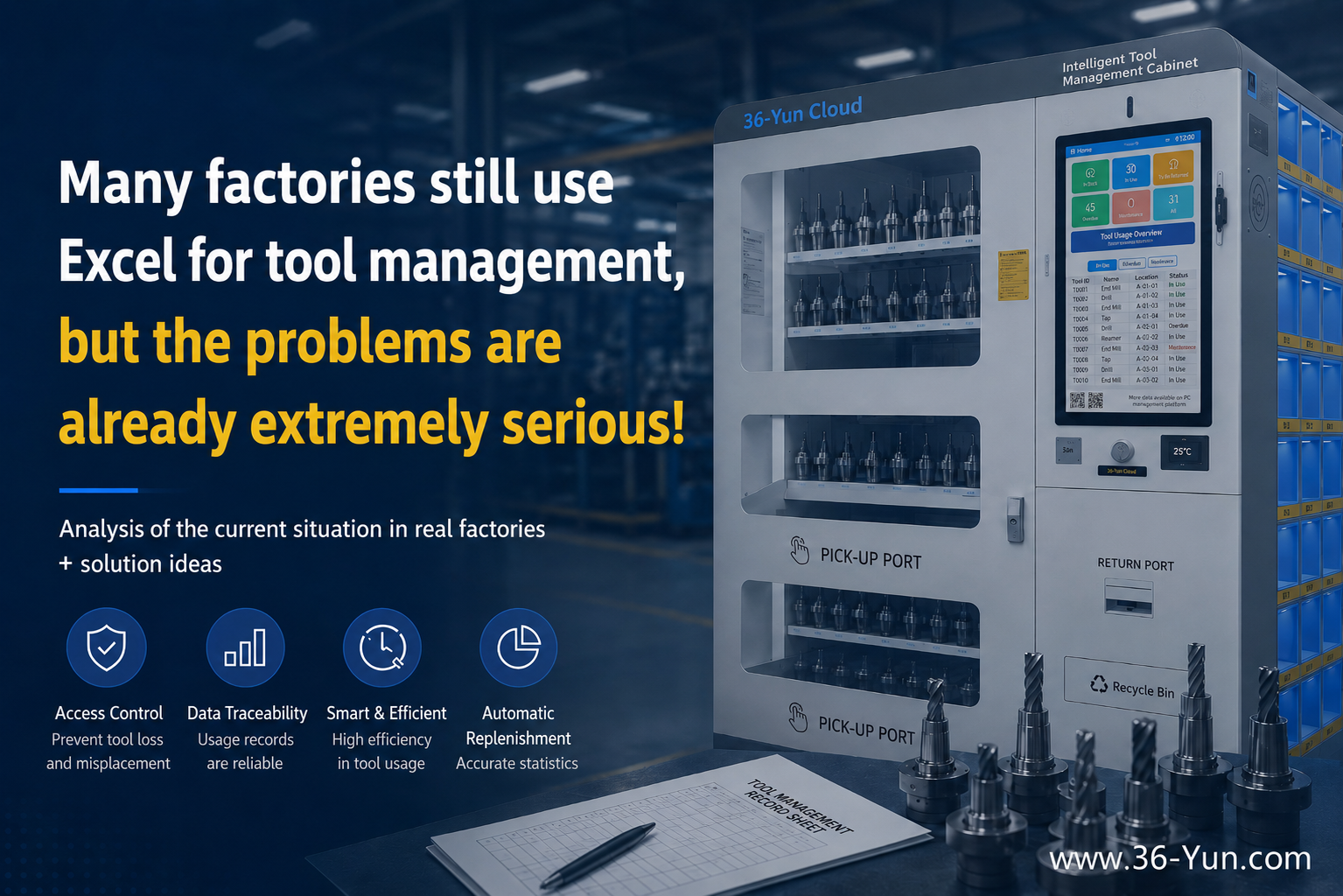
1. Excel Can Record Inventory, But It Cannot Control the Shop-Floor Process
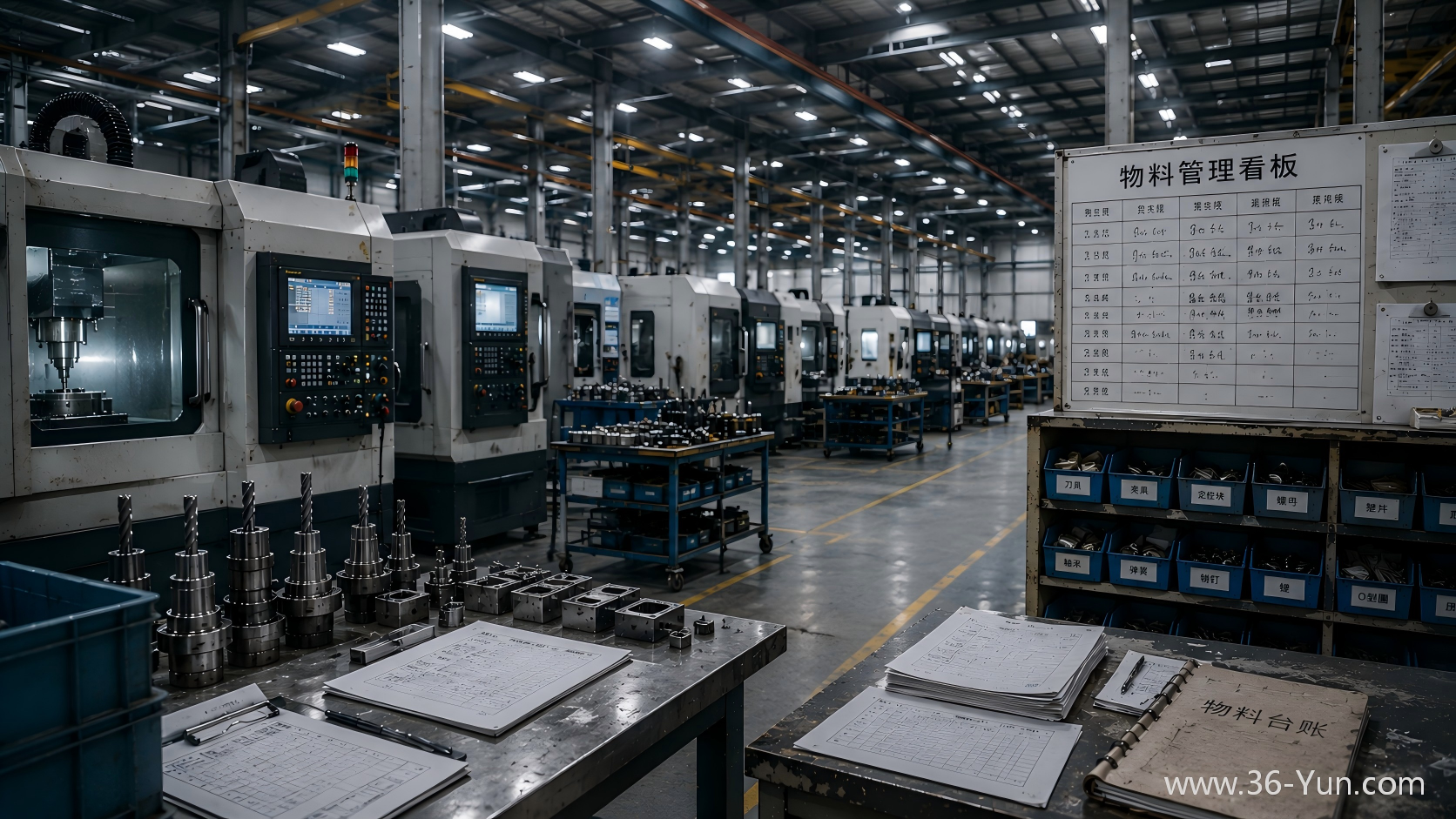
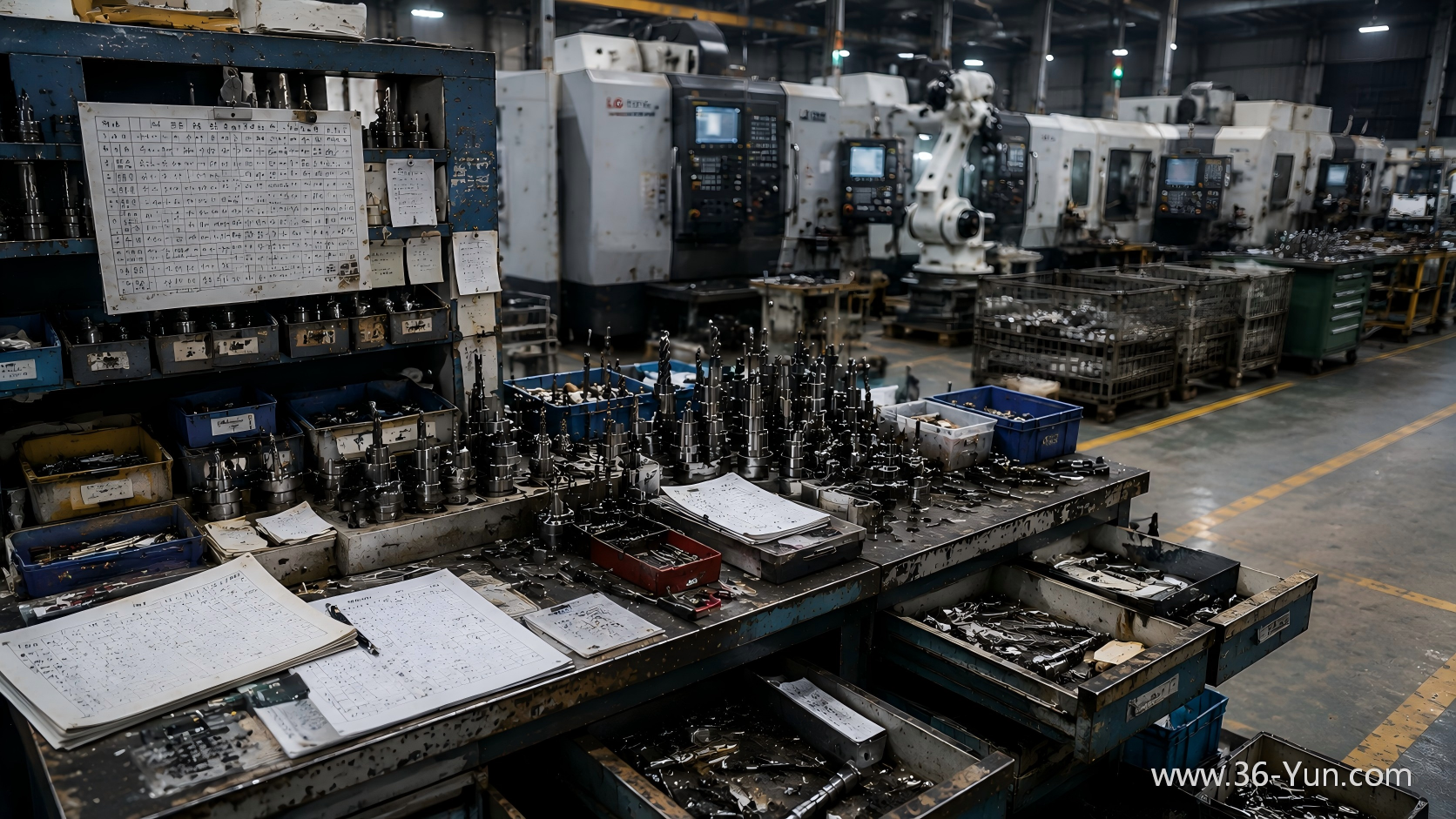
In many machining, precision manufacturing and automotive parts factories, cutting tools, fixtures, auxiliary materials and spare parts are still managed through Excel sheets, paper signatures, Whatsup group messages and warehouse staff experience. At small scale this may work, but as people, shifts, equipment and product models increase, book data and on-site reality easily drift apart.
Typical issues include inventory shown in the system but missing on site, materials physically present but not recorded in time, and night-shift staff taking items first and registering later while warehouse staff fill in data from memory the next day. Over time, Excel records only the result and cannot control issuing, returns, approval or stocktaking.
2. Four Common Problems in Traditional Tool Management
1. Tools Are Often Hard to Find
Materials such as inserts, milling cutters, drill bits and taps are issued frequently. Without clear records of person, time, quantity and location, sites easily lose track of who took what, where items were placed and whether they were returned. The result is repeated purchasing, growing inventory and less clarity about usable materials.
2. Inventory Stays Inaccurate
Manual registration depends on employee discipline and timely warehouse data maintenance. Once the site pace increases, night shifts get busy or personnel change, inventory data can become inaccurate. For managers, the biggest issue is not a single discrepancy but not knowing where the discrepancy started.
3. Night-Shift and Ad-Hoc Issuing Are Hard to Control
Many factories do not have full warehouse staffing on night shifts, so ad-hoc issuing, borrowing and returns can become a take-first-record-later process. Without permission control and automatic records, night-shift data often has to be reconstructed the next day, making traceability difficult.
4. Waiting and Downtime Are the Real Waste
The cutting tools themselves may not be the largest cost. Time spent searching for materials, waiting for approvals, purchasing repeatedly, waiting through downtime and doing manual stocktaking often affects production efficiency more than the materials themselves.
3. A Smart Cabinet Turns Processes into Data
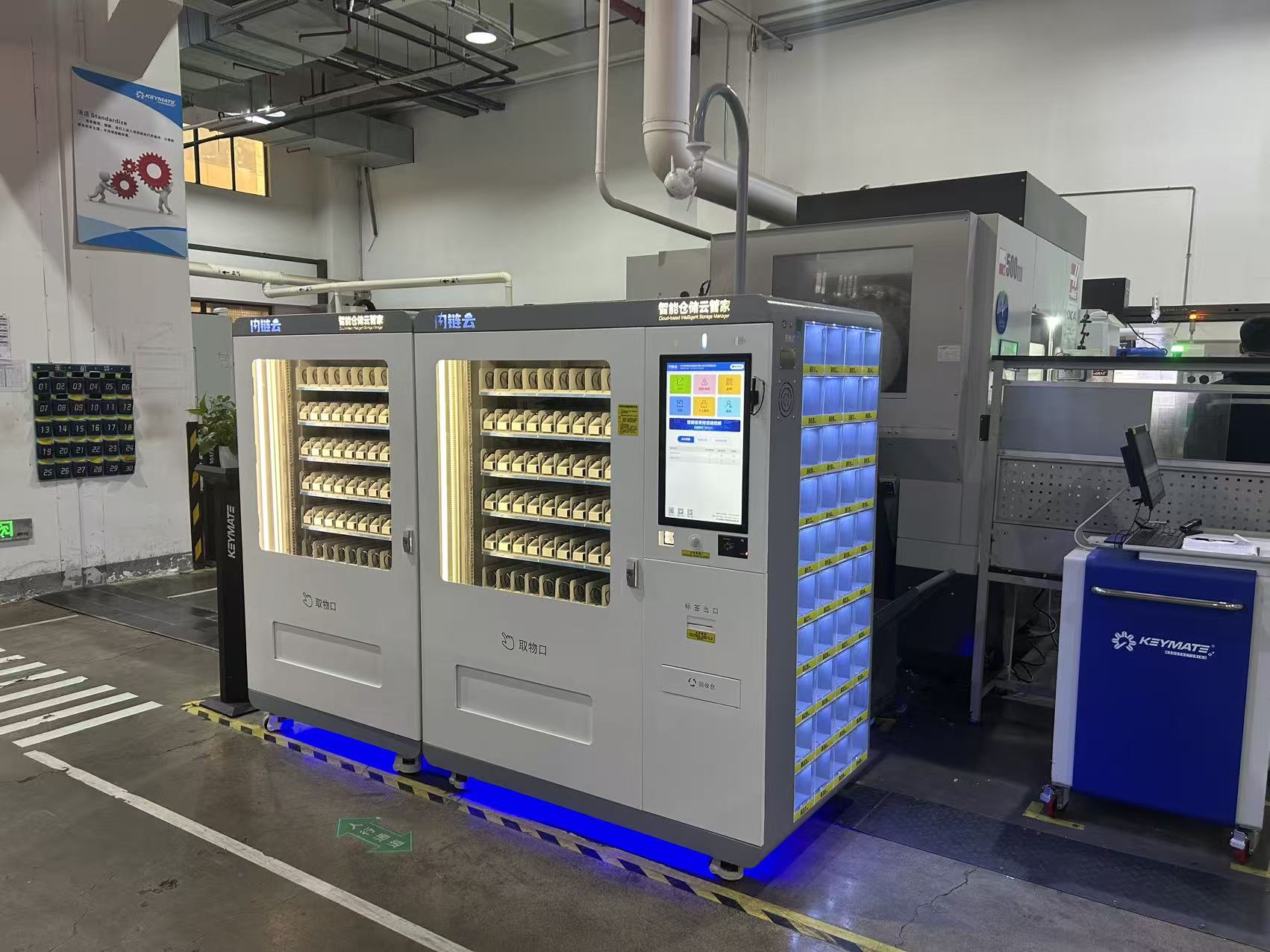
The value of smart cabinets is not just locking materials away. It is turning issuing, returns, permissions, quantities and exceptions into queryable data. For manufacturing sites, they act like material management nodes close to the production line.
Common capabilities include:
- Permission control: define issuing scopes by person, department, team and material type.
- Issuing records: automatically record user, time, material, quantity and cabinet location.
- Inventory tracking: update inventory status through weighing, RFID, compartments or channels.
- Unattended operation: support night shifts, holidays and ad-hoc issuing while reducing manual issuing pressure.
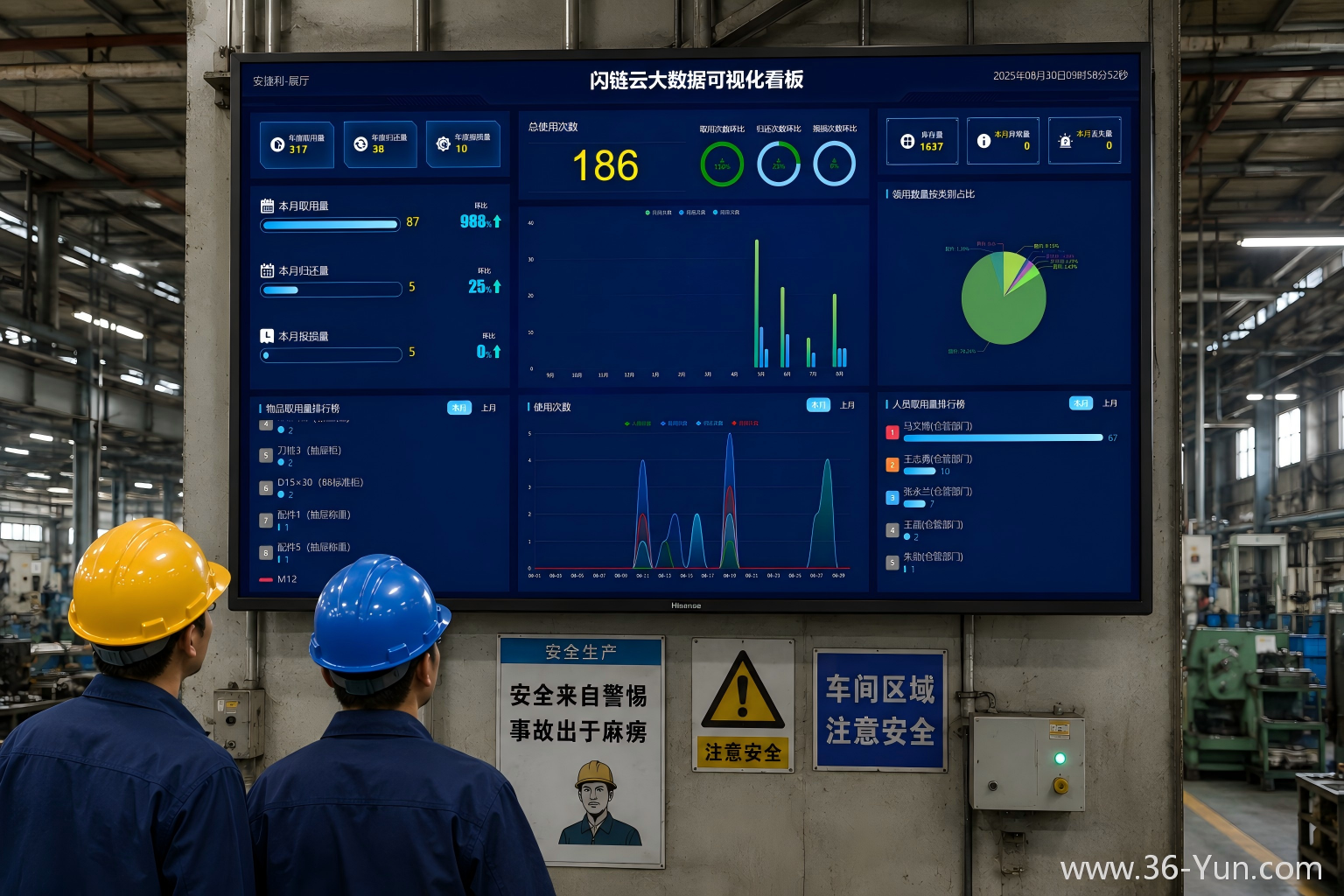
- Data dashboards: summarize high-frequency materials, abnormal issuing, inventory changes and user activity.
4. Which Scenarios Are Best Suited for Smart Cabinets?
If a company only issues small quantities occasionally, Excel may work for a while. But when the following conditions appear, a more stable intelligent management method should be considered:
- Cutting tools, spare parts and MRO materials are issued frequently across multiple teams.
- Book-to-physical inventory discrepancies occur often, and stocktaking relies on manual experience.
- Night-shift, weekend or temporary issuing cannot be staffed by dedicated personnel.
- You need traceability down to person, time, material and using department.
- You plan to connect ERP, MES, WMS or data dashboards later.
Industries such as CNC machining, automotive parts, precision manufacturing, automation equipment and medical devices usually require stronger traceability for tools and shop-floor materials, and are more likely to gain management value from smart cabinets.
5. Moving from Excel to Smart Cabinets Starts with Clear Rules
Smart cabinets should not simply move a messy process into a device. Before go-live, it is more important to define which materials are managed, who has permissions, whether approval is needed, how returns and damage reports are handled, and who follows up on exceptions.
Once these rules are built into cabinets and systems, on-site management no longer depends entirely on people remembering, being willing to fill forms or having time to backfill data. Only when base data is accurate do inventory analysis, cost accounting, ERP/MES/WMS integration and dashboards become meaningful.
FAQ
Why is Excel unsuitable for long-term management of factory tools and low-value materials?
Excel can record inventory results, but it is hard to control issuing, returns, permissions and night-shift operations in real time. As people, shifts, equipment and material types increase, manual backfilling easily causes book-to-physical mismatches.
What tool management problems can smart cabinets solve?
Smart cabinets help enterprises control issuing permissions, record users and time, track material quantities, trace exceptions, summarize inventory and support unattended issuing, reducing missing items, repeated purchasing and inventory mismatches.
Must smart cabinets connect to ERP or MES?
Not necessarily. Enterprises can first use smart cabinets to establish on-site issuing, inventory and traceability data, then connect ERP, MES or WMS gradually as management depth increases. The key is to make site data accurate, timely and traceable first.

